Why Superior Memory Care Services Are Crucial for Loved Ones
Quality memory care services function as an essential function for families confronting the complexities of dementia. These initiatives present tailored support that handles both the interests of occupants and their attendants. By enabling safety, comfort, and emotional connections, quality care helps to diminish feelings of isolation. However, not all memory care facilities are identical. Recognizing what to look for can greatly impact the quality of life of those touched. What principal elements should families prioritize?
Dementia: Difficulties and Solutions
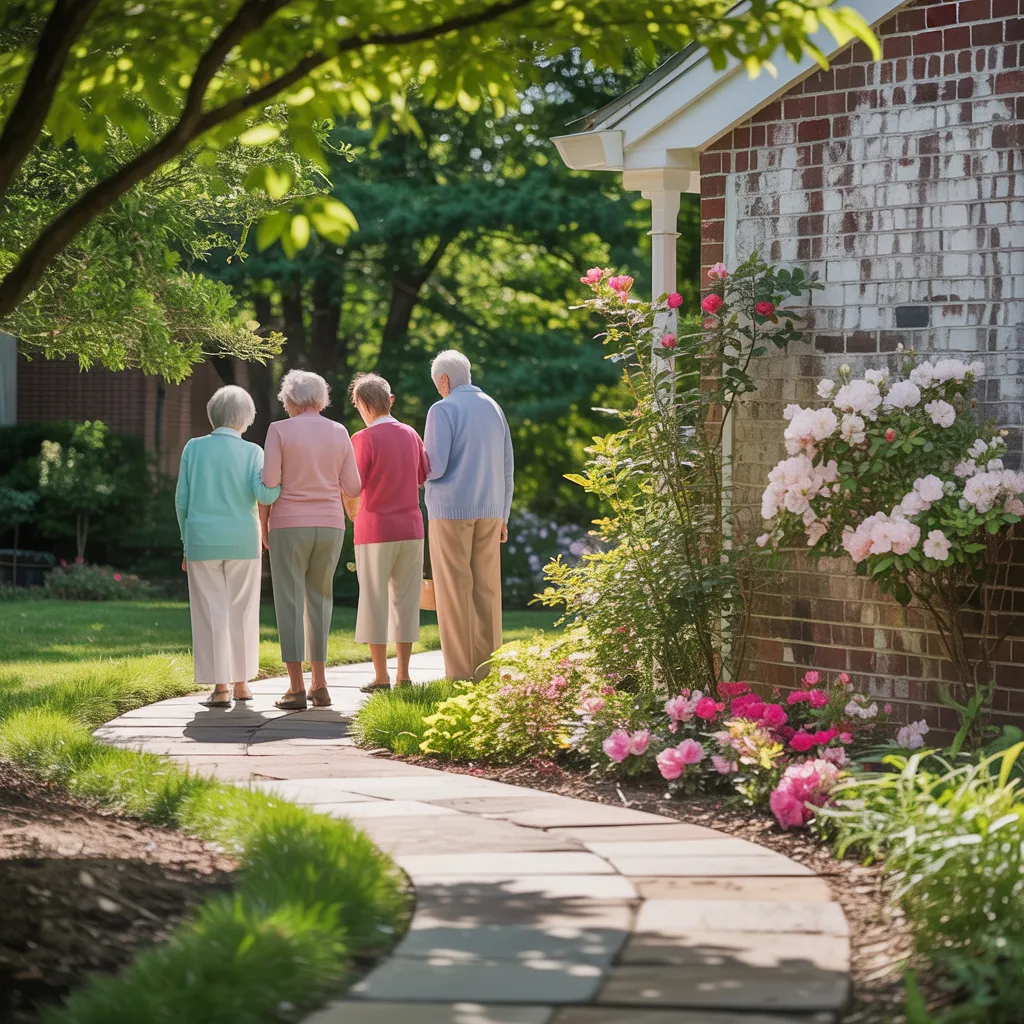
Dementia creates a complicated range of difficulties for individuals, families, and caregivers in equal measure. The mental deterioration connected to dementia affects memory, reasoning, and daily functioning, complicating routine tasks and increasing reliance on others. Families regularly grapple with the psychological burden of witnessing their loved ones' decline, resulting in feelings of helplessness and frustration. Caregivers encounter the burden of managing physical care while steering through the unpredictable behaviors linked to the condition.
To address these obstacles, premium dementia care programs provide structured environments designed to enhance the standard of living for individuals with dementia. Such programs generally encompass specialized training for staff, customized engagement activities, and therapeutic interventions intended at preserving cognitive function. Furthermore, these facilities offer respite for families, allowing them to refresh while guaranteeing their family members receive appropriate care. In the end, effective solutions can significantly reduce the challenges associated with dementia, fostering a caring environment for all involved.
Emotional Help for Families
Looking after a loved one with mental deterioration can have a major emotional impact on families. The pressure of daily caregiving responsibilities often leads to feelings of isolation, anxiety, and grief. Relatives may struggle with the slow deterioration of their loved one's personality, producing a deep feeling of despair. This emotional burden can affect not only the main care provider but also siblings and extended family, causing damaged connections and heightened conflict.
Obtaining emotional support is essential for families working through these obstacles. Peer networks, counseling services, and local assistance can give an chance for discussing experiences and handling difficulties. Connecting with individuals who grasp parallel challenges develops a feeling of connection and minimizes feelings of isolation. Fundamentally, focusing on psychological health is critical for families, as it permits them to provide compassionate assistance while also maintaining their own mental health.
The Value of Specialized Brain Health Care
Specialized cognitive support plays an indispensable role in enhancing the quality of life for people facing mental deterioration. These programs are created to address the specific needs of residents with disorders such as Alzheimer's or other forms of dementia. Trained staff members understand the intricacies of cognitive impairments and apply customized approaches that promote engagement and comfort.
In a tailored environment, residents gain organized schedules that help alleviate stress and disorientation. Activities are deliberately planned to boost cognitive function and foster social interaction, fostering a sense of community. Additionally, the emphasis on safety and security ensures that individuals can explore their surroundings without unnecessary risks.
Families commonly achieve comfort knowing their loved ones are accessing focused assistance in a supportive atmosphere. Overall, dedicated cognitive care not only addresses physical needs but also promotes emotional well-being, making it a key component of care for those struggling with cognitive decline.
Important Qualities to Consider in Senior Memory Residences
When reviewing memory care establishments, what key features should households emphasize? First and foremost, safety measures are paramount. Establishments should maintain safe settings that prevent wandering, with options like enclosed outdoor spaces and monitored entry points. Additionally, nurse-to-patient ratios are significant; higher ratios often reveal more customized support and attention.
Following this, loved ones should copyrightine the qualifications and training of care staff. Staff members should be educated in memory loss support, guaranteeing they understand the distinctive requirements of individuals. Activities and programming developed to stimulate cognitive function and social interaction also are crucial, as they enhance standard of living.
Moreover, loved ones should consider the facility's cleanliness and overall atmosphere. A hospitable atmosphere can greatly shape residents' well-being. Finally, clarity regarding fees and care options is necessary, allowing family members to make informed decisions. By prioritizing these important aspects, family members can select the optimal memory care facility for their loved ones.
How Quality Memory Care Strengthens Dignity and Comfort
Top-tier memory care initiatives underscore dignity and comfort through tailored methods that serve unique preferences. Individualized service plans, working alongside compassionate team interactions, foster a supportive environment for residents. Additionally, protected and stimulating atmospheres cultivate a connection and vitality, strengthening the comprehensive quality of life.
Individualized Care Plans
Personalized care plans play an essential role in improving the dignity and ease of individuals in memory care facilities. These tailored methods consider each resident's unique history, preferences, and cognitive abilities, ensuring that care is not only effective but also dignified. By involving families in the development of these plans, facilities foster a collaborative environment that prioritizes the individual’s needs and wishes. This personalization enhances the sense of identity and autonomy, allowing residents to engage in activities that resonate with their past experiences. Additionally, personalized care plans can adapt over time, responding to evolving needs and preferences. Such attention to individuality greatly contributes to a better quality of life, promoting emotional well-being and a sense of belonging within the care community.
Compassionate Staff Interaction
Effective cognitive support copyrights on not only personalized care plans but also on the empathetic exchanges between staff and residents. Such engagements create an environment of trust, essential for individuals facing the challenges of memory loss. Compassionate staff members approach each resident with empathy, recognizing their unique histories and emotional needs. By engaging in meaningful conversations and demonstrating patience, these caregivers enhance the respect of each individual, ensuring they feel appreciated and understood. This approach not only alleviates anxiety but also encourages a sense of belonging, important for emotional well-being. Ultimately, quality memory care flourishes when staff prioritize compassionate engagement, transforming care from a routine task into a nurturing experience that prioritizes comfort and respect.
Protected, Compelling Surroundings
Establishing a safe and engaging environment is key for enhancing dignity and comfort in memory care settings. High-quality memory care facilities ensure secure surroundings, minimizing risks related to wandering or accidents. Thoughtfully created spaces support independence, enabling residents to move freely while feeling protected. Activities that are engaging and customized to individual interests support cognitive function and foster social connections among residents. These environments support participation, reducing feelings of isolation and improving overall well-being. In addition, the atmosphere should reflect warmth and familiarity, using personal touches that relate to each resident’s history. By merging safety with engagement, memory care services not only copyright the dignity of individuals but also create a comforting haven where they can thrive amidst their challenges.
Social Support and Its Role in Improving Brain Health Care
Community support plays an vital role in enhancing memory care services by building emotional connections and bonding among individuals. Availability to tools within the community can substantially enhance the quality of care, providing essential tools and information. Additionally, enhanced social involvement chances add to the overall well-being of those affected by memory challenges.
Emotional Link and Attachment
Emotional connections serve as a cornerstone in memory care, creating an environment where individuals feel understood. In memory care settings, community support builds meaningful relationships among residents, caregivers, and families. These bonds not only improve emotional additional info well-being but also enhance a feeling of belonging. When caregivers engage empathetically with residents, they provide a safe space for sharing feelings and experiences, which can diminish feelings of isolation. Additionally, group activities and social interactions allow residents to connect with one another, bolstering their sense of identity and purpose. This emotional foundation has a profound impact on the overall quality of care, as individuals flourish when they feel connected, ultimately leading to better cognitive function and an improved quality of life.
Access to Resources
Access to supports serves a pivotal role in strengthening memory care services, relying on the strong emotional connections built among residents and caregivers. Community support provides necessary tools and information that support families to make thoughtful decisions about care options. Local organizations often offer educational workshops, respite services, and support groups, which can ease the burden on caregivers and expand their understanding of dementia-related challenges. Access to trained professionals, such as social workers and therapists, additionally enriches the care experience. Moreover, collaboration with adjacent healthcare facilities guarantees that residents receive thorough and coordinated care. Overall, a robust network of community resources fosters a supportive environment that greatly improves the quality of life for individuals with memory impairments and their families.
Elevated Community Engagement
How can enhanced social engagement alter the lives of beings with cognitive impairments? Engaging socially within a supportive community offers emotional and cognitive benefits that are essential for those facing memory challenges. Involvement in team-based activities fosters connections, reducing moods of separation and sadness. These interactions spark cognitive function, preserving existing talents and possibly curtailing cognitive decline. Additionally, collective assistance cultivates a sense of belonging, which can powerfully boost emotional health and overall well-being. Senior care environments that highlight community participation create environments where individuals can forge meaningful relationships, elevating life quality. This group-centered approach not only benefits residents but also provides families with comfort level, knowing their precious family are thriving in a nurturing atmosphere.
Long-Term Gains of High-Quality Memory Care
While many families may initially seek memory care services primarily for urgent assistance, the long-term benefits of quality memory care go well past short-term relief. These services not only provide essential daily assistance but also foster a structured environment that encourages cognitive engagement and emotional well-being. Through customized programs and therapeutic interventions, residents can achieve improvements in memory retention and overall mental health.
Furthermore, superior memory care cultivates a sense of community, decreasing loneliness and worry often associated with memory disorders. This supportive atmosphere helps families by alleviating stress and providing peace of mind, knowing their loved ones are in competent care. Moreover, trained professionals can provide ongoing support, helping families navigate the complexities of dementia care. Ultimately, choosing quality memory care services yields substantial benefits, enhancing the quality of life for both individuals with memory impairments and their families over the long term.
Often Inquired Questions
How Can I Identify Early Signs of Memory Issues?
Initial signs of memory concerns can include frequent forgetfulness, trouble keeping up with discussions, losing track of possessions, having trouble remembering what just happened, and changes in mood or behavior. Noticing these warning signs may warrant a medical assessment for additional review.
What Expenses Are Linked to Memory Care Programs?
Fees connected to memory care services differ, typically between $3,000 to $7,000 monthly. Considerations determining pricing include location, facility amenities, and the level of personalized care required of each individual.
What Considerations Should I Evaluate When Selecting a Memory Care Community?
Finding the suitable memory care facility necessitates investigating options, seeing different facilities, appraising staff qualifications, checking safety protocols, looking at resident activities, and respecting family perspectives, ensuring the facility suits the individual's specific circumstances and inclinations.
What Duties Do Caregivers Undertake in Memory Assistance?
Caregivers offer essential support in memory care by offering emotional companionship, assisting with daily tasks, and implementing personalized care plans. Their training and compassion greatly enhance the standard of living for individuals with memory impairments.
Are Memory Care Services Capable of handling Different Stages of Dementia?
Cognitive care services can effectively accommodate different stages of dementia by tailoring support and therapies to particular needs. This adaptability confirms residents benefit from proper care, strengthening their overall wellness throughout the progression of the disease.
|Dementia and Alzheimer's Services: Personalized Memory Care Assistance
Memory care services play an important role in assisting individuals with Alzheimer's and dementia. These focused services concentrate on enhancing quality of life through customized treatment approaches and trained staff. They create safe environments that promote cognitive engagement and social interaction. Comprehending the essential features of these services can help families manage the complexities of care. What specific elements contribute to their effectiveness, and how can families best engage in this journey?
What Are Memory Care Services and How Can They Support Families?
How can memory care services precisely assist families dealing with the challenges of cognitive decline, and what are they? Memory care services are specialized programs created to help individuals with Alzheimer's disease, dementia, and other cognitive impairments. These services provide a organized space adapted to address the unique needs of residents, promoting safety, engagement, and respect.
Families often face emotional and practical challenges when looking after family members experiencing cognitive decline. Memory care facilities offer support through trained staff who understand the intricacies of these disorders. This includes developing personalized care plans, overseeing proper medication administration, and facilitating social interactions.
The environment in memory care facilities is intentionally created to reduce confusion and promote independence, allowing individuals to engage in meaningful activities. By providing relief for care providers, dementia care services allow families to focus on their well-being while knowing their loved ones are in a safe, supportive environment.
Key Elements of Successful Memory Care Programs
Successful memory care initiatives incorporate several essential features that boost the quality of life for residents. First, customized care approaches are essential, as they address each resident's particular circumstances, preferences, and challenges. These plans are regularly updated to reflect any changes in condition. Additionally, trained staff members provide specialized support, ensuring that caregivers grasp the complexities of Alzheimer's and dementia.
Additionally, engaging in activities intended to strengthen cognitive function and encourage interpersonal connection are critically important. Programs regularly feature memory exercises, arts and crafts, and music therapy, establishing a sense of community within the participant group. Secure and protected settings are likewise crucial, permitting participants to traverse without restriction while lowering the chance of injury.
Ultimately, family engagement is fostered, establishing a caring community that enables residents to feel part of a group. Together, these features contribute to a thorough approach that prioritizes dignity, comfort, and well-being.
In What Manner Do Memory Care Areas Advance Safety and Comfort?
Memory care environments are created with many safety features that markedly enhance residents' comfort and quality of life. These facilities typically incorporate secure layouts that minimize disorientation and wandering, ensuring that residents can navigate without the risk of getting disoriented. Non-skid surfaces, grab bars, and brightly lit common areas further contribute to a safe atmosphere.
Additionally, memory care environments often use soothing hues and recognizable furnishings to create a peaceful atmosphere. This thoughtful design decreases stress and promotes a feeling of community. Outside areas are also integral, offering residents with connection with the outdoors, which has been proven to improve mood and general wellness.
Crisis response systems and staff trained in safety protocols confirm that help is promptly accessible when needed. By emphasizing these elements, memory care environments prioritize the safety and comfort of residents, allowing them to thrive in a nurturing environment tailored to their unique needs.
Why Certified Team Members Provide a Change in Memory Care
While the surroundings has an essential role in memory care, the expertise and caring nature of experienced personnel are equally important to enhancing residents' standard of living. Skilled practitioners understand the complexities of Alzheimer's and dementia, employing specialized techniques to communicate productively with residents. Their skill to detect individual needs facilitates tailored assistance, fostering a sense of security and reliance.
Additionally, team members are equipped to manage challenging behaviors, using patience and empathy to de-escalate possible crises. They develop engaging activities customized to individual preferences, encouraging cognitive stimulation and social interaction. Ongoing education ensures that employees stay updated on best practices and modern techniques in memory care.
This understanding not only enhances the mental health of occupants but also offers families with trust in the treatment their loved ones experience. Conclusively, the commitment and abilities of educated personnel make a substantial effect on the total experience of persons living with memory disorders.
Involving Family Members in Memory Care: Best Practices
Engaging family members in memory care is important for boosting the well-being of individuals with cognitive impairments. Effective dialogue techniques and structured family participation activities can strengthen these connections, building a supportive setting. By focusing on family engagement, care providers can better address the particular requirements of every individual.
Reliable Communication Systems
Effective communication strategies play an crucial role in improving the quality of care for individuals with memory impairments. Plain, straightforward speech is essential; caregivers and family members should communicate at a measured pace and use known vocabulary to prevent misunderstanding. Non-verbal cues, such as gestures and facial expressions, can significantly enhance comprehension and promote interpersonal bonds. Engaged attention is vital; caregivers should give their full attention, validating feelings and answering with consideration. Additionally, preserving a calm and patient demeanor helps establish a supportive environment. Consistency in routines and communication techniques also assists individuals with memory issues, as it strengthens recognition. Overall, these approaches not only enhance interactions but also strengthen relationships, guaranteeing that individuals sense appreciation and comprehension throughout their care journey.
Family Involvement Activities
In memory care, family involvement is essential as it greatly enhances the well-being of individuals experiencing cognitive challenges. Inviting family members to participate in activities fosters emotional connections and helps establish a supportive environment. Recommended practices include setting up regular family visits that encourage meaningful interactions, such as sharing stories or joining in therapeutic games. Further, family members can contribute to care planning, ensuring their loved ones’ preferences and histories are honored. Educational workshops also provide families with knowledge about Alzheimer’s and dementia, arming them to better support their loved ones. Ultimately, steady family involvement not only enhances the quality of care but also builds stronger relationships, cultivating a sense of belonging for those in memory care settings.
Different Brain Health Care Options You Can Access
Comprehensive memory care options are obtainable to address the extensive requirements of individuals battling cognitive challenges. These options differ from expert memory care centers to domiciliary care support. Facilities for memory care create a protected atmosphere with skilled personnel to support residents with daily activities, encourage social participation, and engage them in cognitive therapies.
In-home care solutions allow individuals to obtain personalized support in familiar surroundings, providing companionship and assistance with daily tasks while preserving independence.
Adult day programs function as a temporary solution, offering organized programs and interpersonal engagement throughout the day for those who require supervision.
Furthermore, relief care programs delivers short respites to family caregivers, ensuring their loved ones obtain professional care while caregivers get rest.
Each option caters to different degrees of requirement, making certain that people suffering from Alzheimer's and dementia get the appropriate support tailored to their unique circumstances.
Financial Factors for Dementia Care Options
As individuals and families navigate the intricacies of dementia care options, financial considerations are a essential aspect of the process of making decisions. The expenses related to memory care can vary considerably, depending on factors such as the amount of care needed, facility location, and offered amenities. Monthly payments for memory care facilities often span between several thousand to over ten thousand dollars.
Families ought to evaluate insurance options, including long-term care insurance, Medicare, and Medicaid, as these can impact out-of-pocket expenses. Additionally, grasping potential hidden costs—such as therapy services or specialized activities—is indispensable.
Planning for future care needs is essential, as the progression of Alzheimer's or dementia may require elevated levels of support. Exploring financial assistance programs and local resources can also provide aid. Ultimately, a comprehensive budget strategy ensures that families can maintain the quality of care their loved ones deserve.
Frequent Inquiries Asked
What Is the Standard Duration of a Memory Care Facility?
The typical duration of a memory care program fluctuates, frequently extending from several months to years, reliant upon individual needs, the severity of cognitive decline, and the particular targets set by caregivers and healthcare professionals.
How Should I Choose the Right Cognitive Support Facility for My Loved One?
Finding the best memory care facility involves researching options, visiting locations, assessing staff expertise, reviewing safety measures, copyrightining available programs, and looking at the facility's atmosphere to guarantee it aligns with the individual's particular needs.
Do Medicare or Insurance Cover Memory Care Services Expenses?
Memory care services may partially pay for costs through Medicare, generally for brief care periods. However, long-term care frequently necessitates private insurance or personal expenses, leading families to copyrightine different options for financial support.
What Activities Are Provided in Memory Care Facilities?
Memory care programs typically offer activities such as art therapy, music sessions, exercise classes, cognitive games, gardening, and social events. These activities work to boost residents' cognitive functions, promote social interaction, and elevate overall well-being.
What Strategies Can Help Me Interact Well With Someone With Alzheimer's or Dementia?
Meaningful exchange with a person affected by Alzheimer's or dementia demands applying plain speech, preserving eye contact, speaking copyright slowly, and staying patient. Non-verbal cues, including body movements and facial expressions, can enhance understanding and connection.
|Enriching Lives With Specialized Memory Support Services
Specialized memory care services focus on addressing the unique needs of individuals facing cognitive challenges. These services emphasize personalized care plans and stimulating activities to enhance emotional well-being. Structured environments play an important role in fostering security and independence. Families also find support in the care process. Understanding how these elements come together can reveal significant insights into improving quality of life for residents and their loved ones. What are the key components of effective memory care?
What You Should to Understand About Cognitive Support Services
What factors should one contemplate when exploring memory care services? First, it is critical to evaluate the level of care required based on the person's unique circumstances, including their mental capabilities and daily living skills. The setting of the facility plays a significant role; a welcoming, safe, and stimulating atmosphere can significantly improve the quality of life for residents. Staff qualifications and training are also important, as dementia-focused instruction ensures that caregivers are able to manage difficult conduct with empathy. Additionally, it is vital to review the facility's strategy for programming and community involvement, which can create feelings of connection and inclusion. Finally, family participation and assistance programs should be evaluated, as they contribute to the overall well-being of both residents and their loved ones. By carefully weighing these considerations, families can choose wisely regarding memory care programs.
The Benefits of Tailored Care Programs in Memory Care
Specialized care plans are essential in memory care, as they tackle the distinct wants and requirements of every resident. These approaches are adapted to take into account individual histories, cognitive faculties, and psychological health. By copyrightining each resident's strengths and challenges, staff members can establish techniques that foster respect and autonomy while ensuring security and ease.
Fostering bespoke care blueprints strengthens a atmosphere of inclusion and upgrades overall quality of life. Residents feel honored when their inclinations about daily routines, activities, and social interactions are acknowledged. Additionally, these frameworks facilitate effective communication between care teams and family members, ensuring everyone is aligned in supporting the resident's journey.
Routine appraisals of these plans enable adjustments based on shifting needs, facilitating a dynamic care approach. Ultimately, personalized care plans act as a cornerstone for compassionate, effective memory care, producing improved outcomes and a better living experience for residents.
Compelling Engagements for Memory Care
Engaging activities represent an crucial dimension in memory care, facilitating mental enrichment and social interaction. These activities are structured to strengthen mental function while promoting friendships among residents. By embedding specialized activities, memory care facilities can forge a supportive environment that tackles both cognitive and feeling-based needs.
Cognitive Stimulation Activities
Cognitive stimulation activities play an important role in enhancing the standard of life for individuals in memory care. These activities, designed to stimulate the mind, can include puzzles, memory games, and problem-solving tasks that promote cognitive function. By participating in these exercises, residents can improve their memory, attention, and overall mental agility. Such activities not only provide mental engagement but also foster a sense of accomplishment and purpose. Additionally, tailored cognitive stimulation can be adapted to individual preferences and abilities, ensuring that each person remains actively involved. Overall, these activities are crucial in maintaining cognitive health and promoting a positive environment within memory care settings. Through consistent engagement, individuals can experience improved mood and a greater sense of well-being.
Social Engagement Avenues
Connection is important for individuals in memory care, as opportunities for social engagement significantly improve their overall health. Activities focused on social interaction, including group games, art classes, and community outings, foster relationships among residents. These interactions not only offer fun but also support cognitive function and emotional health. Consistent involvement in social activities encourages communication and reduces feelings of isolation, which are typical in memory care settings. Besides, organized social settings allow caregivers to watch interactions, customizing support to each person's requirements. By fostering a sense of belonging and community, social engagement plays a crucial role in enhancing the quality of life for people living with memory challenges, reinforcing their dignity and self-worth.
Creating Supportive Environments in Cognitive Care
Memory care spaces must be compassionate and crucial for influencing residents' wellness and quality of life. These spaces should be distinguished by comfort, safety, and customization to allow residents to experience security and esteemed. Strategically organized layout facilitates mobility and reachability, reducing confusion and increasing comfort.
Illumination, colors, and familiar décor are crucial elements in developing tranquil settings that inspire pleasant recollections. Outdoor spaces, such as gardens and walking paths, present possibilities for relaxation and connection with nature, further enriching the experience.
Staff education in empathy and communication cultivates purposeful exchanges, allowing care providers to better grasp and react to residents' requirements. Additionally, consistent schedules supply a state of stability, helping reduce stress. In combination, these elements contribute to a comprehensive framework which tackles both the cognitive challenges connected to cognitive decline yet also encourages emotional and social well-being, allowing residents to thrive.
Ways Memory Care Facilities Help Families
Memory care facilities play a vital role in assisting families by offering emotional support and practical resources. They offer educational workshops that prepare families with the knowledge needed to navigate the intricacies of memory-related conditions. This comprehensive strategy fosters a deeper bond between families and their loved ones in care.
Emotional Support For Family Members
Many households dealing with the challenges of caring for a loved one with memory impairment find reassurance in the emotional support provided by specialized memory care facilities. Such facilities often feature compassionate staff trained to understand the unique struggles that families face. Frequent support groups allow families to connect with others in similar situations, fostering community and shared experiences. Furthermore, personalized counseling sessions cater to specific emotional needs, aiding families in navigating feelings of guilt, grief, and frustration. Memory care facilities offer resources that promote open communication among family members, encouraging healthier relationships. This emotional support not only assists families in coping but also enhances the quality of care their loved ones receive, resulting in a more positive environment for everyone involved.
Educational Resources And Classes
Many senior living communities offer valuable educational resources and training sessions created to support families maneuvering the intricacies of cognitive decline. These initiatives often address key subjects, such as the stages of dementia, interaction techniques, and caregiving techniques. By providing professional training and engaging conversations, facilities help families develop a greater comprehension of their loved ones' conditions.
Additionally, materials such as educational brochures and web-based training enhance in-person workshops, making certain families have access to vital information at their convenience. Support groups may also be woven in, cultivating community connections among caregivers. Ultimately, these training programs not only enhance caregivers' skills but also promote emotional resilience, permitting families to work through challenges with more confidence and compassion.
Authentic Success Stories From Memory Care Facilities
Success accounts from memory care facilities demonstrate the deep impact specialized support can have on individuals facing cognitive challenges. One patient, Mrs. Thompson, experienced significant improvements after engaging in personalized art therapy programs. Initially withdrawn, she began to communicate herself creatively, leading to improved social interactions and emotional well-being.
Another success story involves Mr. Garcia, who flourished in a structured daily routine designed to stimulate memory preservation. Through mental workouts and reminiscence therapy, he recovered his capacity to remember beloved family memories, building relationships with loved ones.
Facilities implement technology-assisted activities, such as virtual reality experiences, which have enabled residents like Ms. Patel navigate familiar environments, minimizing anxiety and confusion.
These practical illustrations demonstrate how personalized memory care programs not only boost overall well-being but also empower individuals, enabling them to connect more deeply with their neighborhoods and community networks.
Popular Asked Queries
What Skills Do Staff Members Bring to Memory Care Facilities?
Memory care facility personnel typically have credentials such as degrees in nursing, psychology, or social work, plus specialized training in memory disorder management, communication skills, and background in addressing behavioral challenges tied to memory impairments.
How Do Facilities Handle Pharmaceutical Administration in Memory Care?
Medication supervision in memory care facilities necessitates trained staff administering prescriptions, tracking dosages, and ensuring timely intake. Routine evaluations are conducted to modify medications as needed, prioritizing residents' safety and well-being throughout their care.
Will Health Insurance Plans Cover Memory Support Programs?
Programs for memory issues may be partially covered by insurance, based on the coverage plan. Families should reach out to their insurance providers to grasp particular coverage information, comprising any restrictions and prerequisites for qualification pertaining to memory care facilities.
What Safety Measures Are in Position for Occupants?
Safety safeguards for residents generally involve restricted areas, capable personnel, emergency response protocols, regular safety audits, and monitoring systems. These approaches purpose to restrict elopement and guarantee a stable, encouraging atmosphere for individuals with memory challenges.
Can Residents Take Part in Excursions Beyond the Facility?
Yes, dwellers can participate in getaways removed from the facility. These excursions are systematically organized to warrant safety and enjoyment, facilitating individuals to interact in their surroundings while receiving the needed support throughout the experience.
}